To the Science Museum:
First we travelled by bus to the museum, when we arrived, the teacher took a picture of all the group in front of the the main door.
Later, we went into the museum and saw some fossils, skeletons of dinosaurs and some minerals and meteorites.
After that, we met our monitor, Guadalupe, she told us about a lot of things about animals and birds. My favourite bird was the eagle, it has got a very strange beak, beautiful wings, and a white part on its head. We saw bats and the sketelons of bats, we saw lynxes, a wolf, a flamingo, and animals like frogs and salamanders which are dangerous. Later, we saw a giant squid and the Mola Mola, I liked this animal. Finally, we went to school by bus, it was an interesting activity.
- Ana, 5C
The old City Council:
On the 26th of April we went to the old City Council. First of all, we travelled by bus to the old City Council. Then, we saw the registry room. Next, we saw the Hall of Kinds. After that, we saw the plenary hall. We sat in the place of the journalists. Finally, we saw the mayor´s room.
It was an interesting school trip. I liked the plenary hall the most.
- Iris, 5C
jueves, 3 de mayo de 2012

domingo, 22 de abril de 2012
CULTURAL WEEK. CHARLES DICKENS 2OOth ANNIVERSARY


We are going to do a lot of activities related to this famous english writer.
We hope you enjoy and learn a lot.
martes, 17 de abril de 2012


lunes, 16 de abril de 2012
Roman remains in Caesaraugusta (Zaragoza)
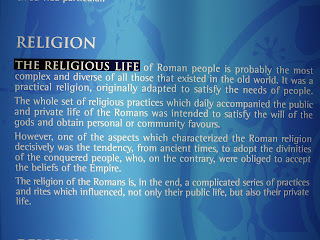
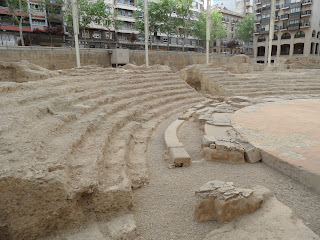
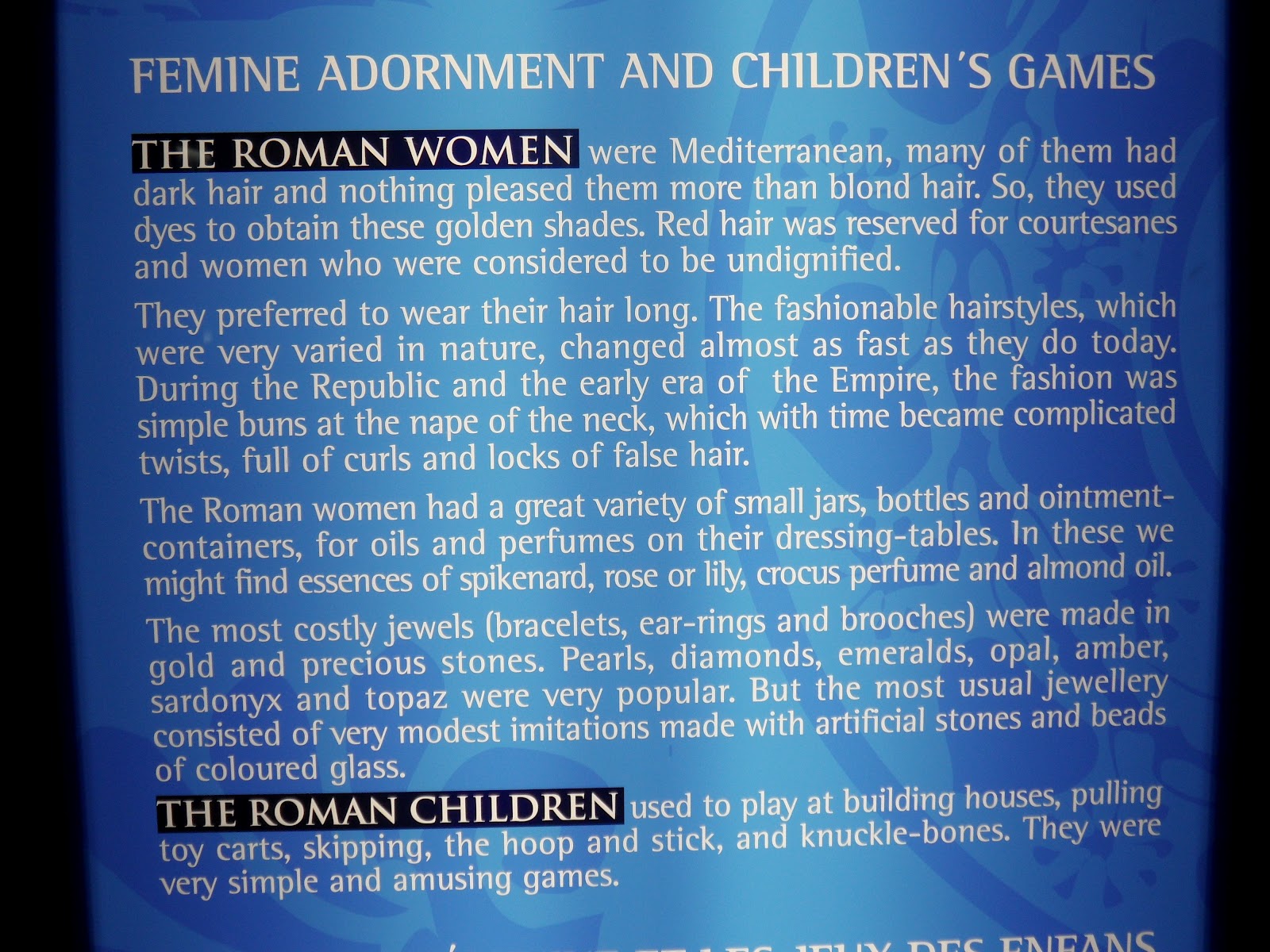
Here are some pictures of some Roman remains in Zaragoza; there is a theatre and some information so that you can remember things about what life was like in Roman times.



 |
| This is a model of a market in a Roman city. |
 |
| This is a model of a Roman forum. |




 |
| This is a model of a Roman theatre |
 |
| And again, with a view of the stage... |
 |
| These are the remains of the theatre. |


jueves, 22 de marzo de 2012
Trojan horse cartoon
Here is a link for a cartoon about the story of the Trojan horse, related to the Ancient Greeks.
Click here!
Click here!
miércoles, 21 de marzo de 2012
lunes, 19 de marzo de 2012
DÍA MUNDIAL DE LA POESÍA.
21 de marzo. Os propongo para ese día escribir algún haiku.
Un haikú o jaiku es una estrofa poética originaria de la literatura japonesa clásica que pretende expresar en sólo tres versos un sentimiento breve y sincero , surgido normalmente ante la contemplación de la naturaleza o también ante sentimientos sobre el amor, la muerte, la enfermedad, el dolor o ante cualquier momento vivido. Normalmente el primer verso tiene 5 sílabas, el segundo 7 y el tercero 5, otros autores dan más libertad para crearlos.
Os animo a tod@s y a las familias.
Os pondo dos que he escrito yo:
Es un día gris
sin ti ya amanece,
me escondería.
Mira la vida
la luna todo mueve,
andaremós más.
ANIMAROSSSSSSSSSSSSSSSSSSSSSSSSSSSSSSSSSSSSS.
Los podéis escribir en los comentarios de esta entrada.

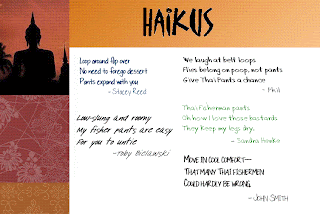
Un haikú o jaiku es una estrofa poética originaria de la literatura japonesa clásica que pretende expresar en sólo tres versos un sentimiento breve y sincero , surgido normalmente ante la contemplación de la naturaleza o también ante sentimientos sobre el amor, la muerte, la enfermedad, el dolor o ante cualquier momento vivido. Normalmente el primer verso tiene 5 sílabas, el segundo 7 y el tercero 5, otros autores dan más libertad para crearlos.
Os animo a tod@s y a las familias.
Os pondo dos que he escrito yo:
Es un día gris
sin ti ya amanece,
me escondería.
Mira la vida
la luna todo mueve,
andaremós más.
ANIMAROSSSSSSSSSSSSSSSSSSSSSSSSSSSSSSSSSSSSS.
Los podéis escribir en los comentarios de esta entrada.


viernes, 16 de marzo de 2012
Sports and vertebrates
Here are some examples of some good work that you have done with Ana in the last units of English and Science (sports and vertebrates)
Football ´dream team´:
To complete my dream team, I would buy Iker Casillas as goalkeeper, Alves and Sergio Ramos as defenders, and Puyol and Pique as central defenders. I would buy Xavi Alonso as midfielder, Javi Martinez as midfielder and Xavi and Iniesta as central Midfielders and finally I would buy Villa and Lliesent as strikers.
The uniforms will be blue, and also they will be made of cotton. The shorts will be black and the shoes will be yellow. The logo will be a sheield with a lion and a wolf on it.
- Naia, 5C
Vertebrates:
Velociraptor:
The velociraptor was a very good predator, it was a reptile and it was covered in scales. It ran very fast (max speed about 60 km/h). It was a carnivore. It was a dinosour, and they were oviparous.
- Alex, 5D
Peregrine falcon:
The Peregrine falcon is a bird, it has got feathers, 2 legs and 2 wings. It has got lungs to breathe air with. It´s oviparous. The Peregrine falcon is a raptor, or a bird of prey. It has got a hooked beak that is good for cutting up meat.
The Peregrine falcon is found on every continent except Antartica. It can survive in a variety of habitats including urban cities, the tropics, deserts and the tundra.
- Teresa, 5D
Leopard:
The leopard is a carnivore. They aren´t oviparous, they are viviparous. The leopard is very fast, but only for short distances. They have very well developed eyes, but they see better at night, because they usually hunt at night. If they hunt something, they climb up a tree, because if not other animals like lions can eat the animal.
- Pepe 5C
Football ´dream team´:
To complete my dream team, I would buy Iker Casillas as goalkeeper, Alves and Sergio Ramos as defenders, and Puyol and Pique as central defenders. I would buy Xavi Alonso as midfielder, Javi Martinez as midfielder and Xavi and Iniesta as central Midfielders and finally I would buy Villa and Lliesent as strikers.
The uniforms will be blue, and also they will be made of cotton. The shorts will be black and the shoes will be yellow. The logo will be a sheield with a lion and a wolf on it.
- Naia, 5C
Vertebrates:
Velociraptor:
The velociraptor was a very good predator, it was a reptile and it was covered in scales. It ran very fast (max speed about 60 km/h). It was a carnivore. It was a dinosour, and they were oviparous.
- Alex, 5D
Peregrine falcon:
The Peregrine falcon is a bird, it has got feathers, 2 legs and 2 wings. It has got lungs to breathe air with. It´s oviparous. The Peregrine falcon is a raptor, or a bird of prey. It has got a hooked beak that is good for cutting up meat.
The Peregrine falcon is found on every continent except Antartica. It can survive in a variety of habitats including urban cities, the tropics, deserts and the tundra.
- Teresa, 5D
Leopard:
The leopard is a carnivore. They aren´t oviparous, they are viviparous. The leopard is very fast, but only for short distances. They have very well developed eyes, but they see better at night, because they usually hunt at night. If they hunt something, they climb up a tree, because if not other animals like lions can eat the animal.
- Pepe 5C
St Patrick´s Day
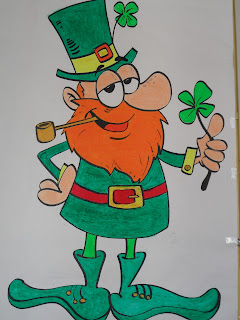
Yesterday, we celebrated St Patrick´s Day. With Jose, we played Irish games, with Maribel we coloured in Celtic medallions with traditional Celtic Knot, with Rosa we danced, with Lauren we played a quiz where you could win prizes, and with Jason we played ´pin the clover on the leprechaun´. Here are some pictures of the fun we had!


 |

 |
| Here are some of the banners that Antonio, Jefe de Estudios, kindly drew for us |


 |
| Some examples of the work we did on Irish culture |
 |
| Dancing with Rosa |

 |
| Colouring medallions with Maribel |


 |
| Playing games with Jason |
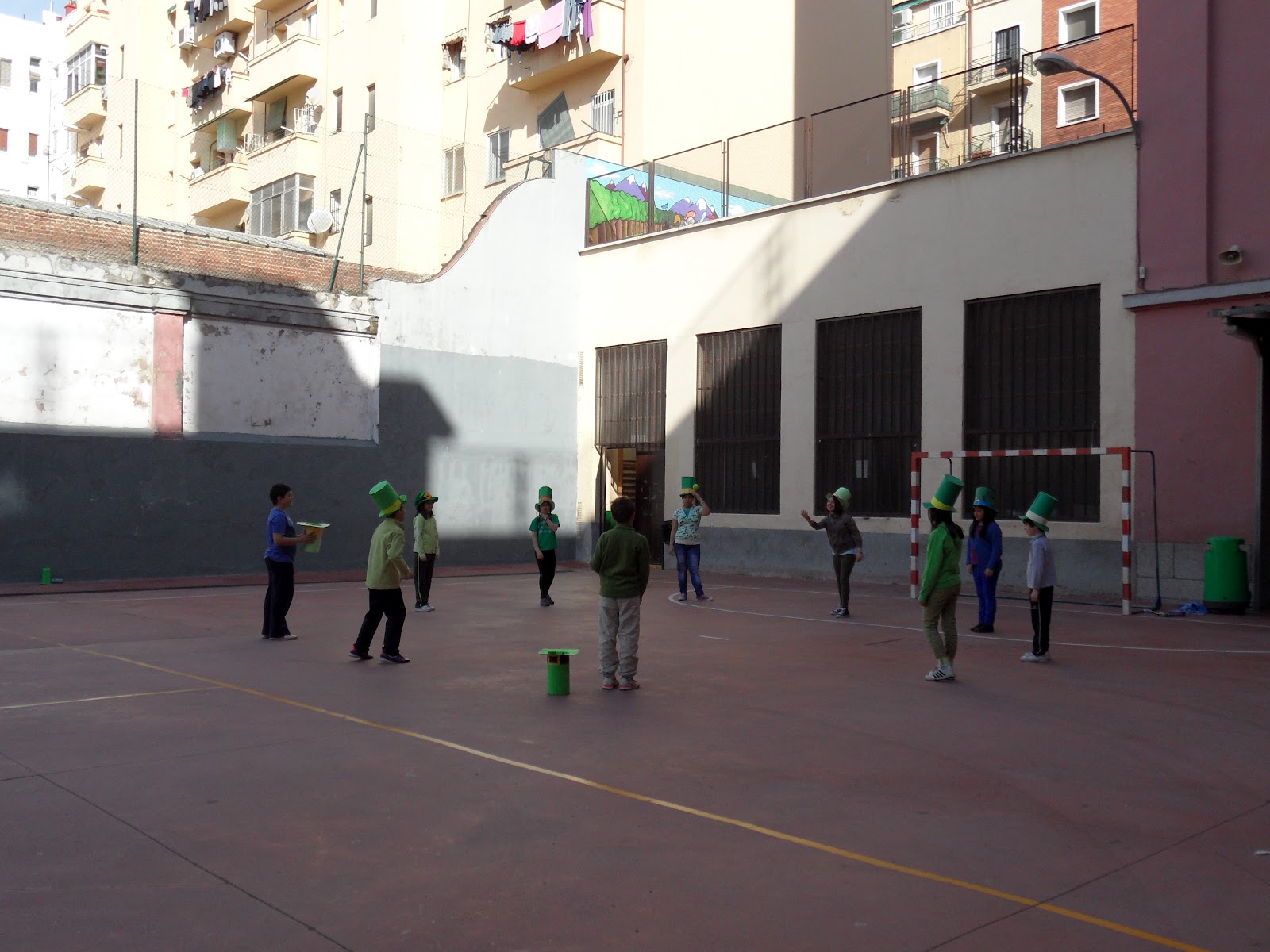 |
| Playing games in the playground with Jose |
 |
| Some of our leprechaun hats |

 |
| Doing a quiz with Lauren |
 |
| The Molly Malone song! |
 |
| Games with Rosa |
 |
| Modelling a medallion |
 |
| Preparing ourselves for traditional Irish dancing! |
 |
| All of 5th grade singing ´Molly Malone´ |
 |
| Cloverade! Sláinte! |
 |
| The Irish flag. What do the colours mean? |
Suscribirse a:
Entradas (Atom)